The Unspoken Secret: How Your Glass Shapes Every Sip of Wine
Walk into any fine dining restaurant or dedicated wine bar, and you’ll notice an array of glassware that seems almost excessive. There are tall, slender flutes for Champagne, grand, wide-bowled globes for Burgundy, and stately, tulip-shaped vessels for Bordeaux. It’s easy to dismiss this as mere pageantry—a tradition upheld for aesthetic reasons rather than functional ones. But what if the glass in your hand is as crucial to the experience as the wine inside it? The truth is, the shape of your wine glass is a carefully engineered tool designed to unlock the full potential of what you’re drinking. It’s not about snobbery; it’s about science. From the way aromas are collected to how the liquid first hits your tongue, the architecture of your glass is silently orchestrating your perception of taste.
The Science of Scent: Directing Aromas to Your Nose
Long before the wine graces your palate, your initial encounter is purely aromatic. Our sense of smell is responsible for the vast majority of what we perceive as flavor, as the tongue only identifies basic tastes like sweet or sour. Complex notes of blackberry, vanilla, or citrus are all aromatic compounds that travel from the glass to your olfactory system. This is where the bowl’s shape becomes the most critical factor. Its primary function is to capture and concentrate these volatile aromas, delivering them directly to your nose as you lean in for a sip.
A generously proportioned bowl expands the wine’s surface area, maximizing its exposure to oxygen. This vital aeration process coaxes out the intricate scents locked within complex red wines, giving their aromatic layers the freedom to unfold. Just as importantly, the subtle inward curve of a premium glass’s rim is a critical design feature. This design funnels those concentrated aromas, preventing them from escaping and ensuring you get a rich preview of the flavor profile. In contrast, a straight-rimmed glass would allow these delicate scents to dissipate. The bowl’s shape acts like a lens, focusing the wine’s aromatic soul for your enjoyment.
A Shape for Every Style: Matching the Glass to the Grape
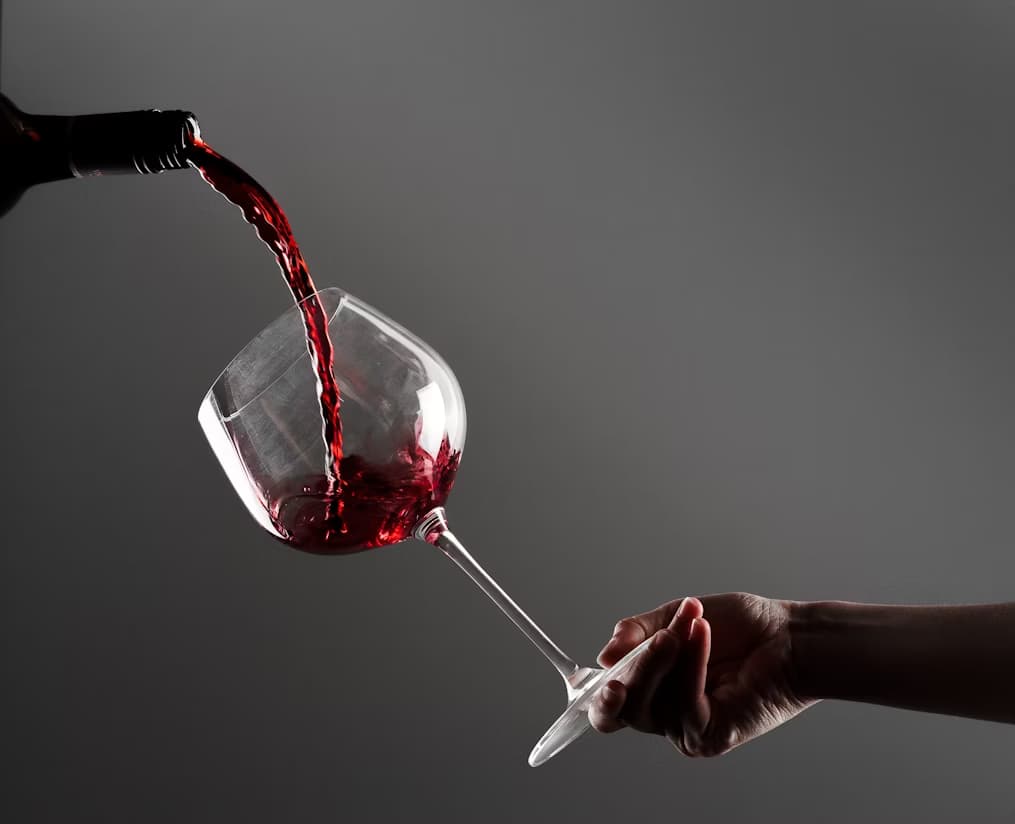
While a “universal” wine glass can work in a pinch, specific shapes are designed to amplify the distinct characteristics of different wine styles. The goal is always to present the wine in its best possible light, highlighting its strengths and softening any potential harshness. Understanding the purpose behind the main shapes reveals just how much thought has gone into their design.
- The Bordeaux Glass: Designed for full-bodied, tannic red wines like Cabernet Sauvignon and Merlot, this glass is tall with a relatively large bowl that narrows slightly at the top. This shape encourages aeration to soften the powerful tannins and allows the complex aromas of dark fruit, spice, and earth to develop before being funneled to the nose.
- The Burgundy Glass: Recognizable by its very wide, balloon-shaped bowl and a tapered rim, this glass is the perfect partner for more delicate, aromatic reds like Pinot Noir. The broad surface area provides maximum aeration to coax out nuanced aromas of cherry, raspberry, and forest floor. The narrow opening then concentrates these subtle scents for a deeply aromatic experience.
- The White Wine Glass: Generally smaller with a more U-shaped bowl, this design is about preservation. White wines are served cooler and are typically more delicate in aroma. The smaller bowl helps maintain the cooler temperature by reducing the surface area exposed to air, and it keeps the subtle floral and citrus notes closer to the nose rather than letting them get lost in a larger space.
- The Flute: The tall, slender shape of a Champagne flute is engineered for sparkling wine. Its primary job is to preserve the carbonation, minimizing the surface area to keep the bubbles from dissipating too quickly. The narrow form also creates a visually appealing stream of bubbles and directs the wine’s aromas upward in a focused column.
Beyond the Bowl: The Rim and Stem’s Crucial Role
Although the bowl is the primary architect of the aromatic profile, the other elements of the glass are indispensable contributors to the complete tasting ritual. The rim, for example, is the final point of contact before the wine enters your mouth. A high-quality glass will have a thin, laser-cut rim that allows the wine to flow smoothly and unobtrusively onto your palate. A thick, rolled rim, common on cheaper glassware, creates a clumsy “bump” that can disrupt this seamless delivery and distract from the wine itself.
The diameter of the rim also influences how you sip and where the wine lands on your tongue. Sipping from a glass with a broader opening prompts a downward tilt of the head, guiding the wine to wash over the front of your tongue and thereby amplifying the perception of acidity. A narrower rim forces you to tilt your head back further, delivering the wine to the center of your tongue, a great way to experience the texture and body of a full-bodied red. Finally, there’s the stem. Its function is beautifully simple: it gives you a place to hold the glass without touching the bowl. This serves a dual purpose: it insulates the wine from the thermal transfer from your hand and ensures the bowl remains pristine, free of fingerprints that might otherwise obscure the wine’s true color and brilliance.
So, does the shape of your wine glass actually change the taste? No, it doesn’t alter the chemical composition of the wine. But it absolutely changes your perception of its taste. By managing aeration, concentrating aromas, and guiding the flow of the liquid, the right glass acts as a key, unlocking a depth of flavor and aroma you might otherwise miss. It turns a simple drink into a complete sensory experience.